
About the tournament

Recovery matters here
Budapest has a built-in recovery advantage because the city naturally supports slower hours, warm baths, and a rhythm that makes it easier to reset after a demanding round.
The iconic Széchenyi Thermal Bath with neoclassical architecture and pools in Budapest.
Budapest open events and current Hungary listings: Budapest is exactly the sort of city where people make the mistake of booking the destination first and worrying about the chess later. Reverse that. Find the live Hungary or Budapest event listing first, then decide whether the promise of thermal baths, coffee houses, and grand Danube architecture makes this the right tournament week to stretch into a proper holiday.
Bottom line: Budapest is one of the easiest city-based chess holidays in Europe to recommend. It is beautiful, atmospheric, lively, and far better value than most capitals with this much visual drama. If you want a tournament trip that still feels like a proper city break, Budapest is a very strong play.
Why Budapest works so well as a chess holiday
The Danube gives the trip its backbone
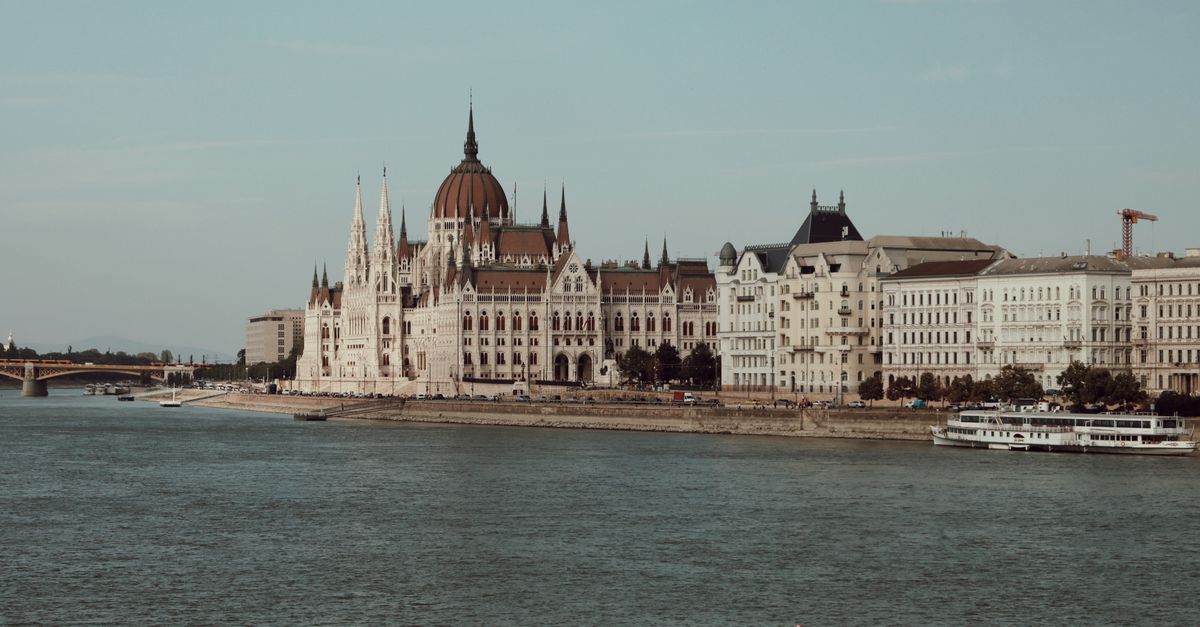
Budapest is one of the easier big-city trips to organize in your head because the river gives you orientation, natural rest-day structure, and a strong sense of place almost immediately.
Captivating view of the Hungarian Parliament Building alongside the Danube in Budapest.
Budapest works because it feels richer than its price point. A lot of tournament cities ask you to choose between beauty, practicality, and value. Budapest is one of the few that gives you a convincing amount of all three. Once a real event week is fixed in the calendar, the city starts to look like an unusually generous host for chess travel.
The Danube gives the place scale, the bridges give it drama, Buda gives you elevation and older grandeur, and Pest gives you the buzz that makes evenings feel alive instead of merely convenient. Add the thermal baths and strong café culture, and you get a city that does not just tolerate tournament life, it actually improves it.
That is the real selling point. After a serious round, Budapest still has restorative options that feel like part of the holiday rather than extra effort. A river walk, a long dinner, or time in the baths can make the week feel broader and better paced than a standard city tournament trip.
What makes Budapest different from other city chess holidays

It should not feel all monuments and baths
The article gets stronger when Budapest feels lived in as well as grand. Night streets, café energy, and ordinary urban motion help keep it from becoming too postcard-flat.
Bustling street at night with people enjoying outdoor cafes and lit buildings.
The biggest difference is atmosphere. Budapest has a cinematic quality that many capitals do not. Gellért Hill, Fisherman's Bastion, the Parliament building by night, the river itself, and the old coffee-house culture all help the city feel larger than a standard budget-friendly city break.
At the same time, it is not all postcard beauty. The Jewish Quarter, ruin bars, and the more lived-in rhythm of Pest stop the destination from feeling overly polished. That balance between grandeur and grit is part of what makes Budapest memorable.
What to do between rounds in Budapest
Gellért Hill is one of the best places to begin because it gives you the most immediate overview of the city. From there, Buda Castle and Fisherman's Bastion handle the classic Budapest imagery, the part of the city that feels almost theatrical in the best way.
On the Pest side, Great Market Hall gives you a more grounded local entry point, while the Jewish Quarter and its café-and-ruin-bar ecosystem show why Budapest has such a strong social reputation. This is a city where a short walk can move quickly from monumental architecture to relaxed everyday atmosphere.
The thermal baths are the real chess-holiday wild card. Széchenyi and Gellért are not just tourist checklist items, they are unusually useful here. After a long classical game, the idea of an hour in the baths is better than more sightseeing, and that makes Budapest one of the most naturally restorative tournament destinations on the list.
A strong half-day plan is Buda Castle, then a Danube walk back toward one of the bridges, followed by dinner on the Pest side.
Best rest day itinerary
The classic Budapest rest day is baths in the morning, food or market wandering in the middle of the day, then Buda-side viewpoints toward evening. If you want the full cinematic version, finish with a night river cruise when the Parliament and bridges are lit up. It is touristy, yes, but for good reason. Budapest looks superb after dark.
If you prefer a lower-key version, do a slower café-heavy day in Pest and save the bigger viewpoints for late afternoon. The city is flexible enough to reward either approach.
Where to stay in Budapest
Pest is the easiest base for most travellers because it gives you stronger restaurant, café, and nightlife density while keeping transport simple. Unless your venue is very Buda-oriented, Pest usually makes the trip smoother. It is where the city feels most convenient on a day-to-day basis.
The key is not to overvalue a bargain if it leaves you badly placed. Budapest is a city where being able to walk out for food or a riverside stroll after a round adds a lot to the whole experience.
Food, atmosphere, and local character
Budapest has one of the best atmosphere-to-price ratios in Europe. You get old coffee houses, thermal bath culture, Danube views, ruin bars, generous food, and architecture that constantly reminds you that you are somewhere with history and presence. Even simple routines, like walking to dinner or stopping for cake and coffee, often feel more satisfying here than in more expensive capitals.
The city also works well if you like variety. You can do grandeur one day, nightlife the next, baths after that, and still not feel you have exhausted the place. That makes it unusually good value as a week-long tournament base.
Who is Budapest best for?
Budapest is best for players who want a proper city break with beauty, atmosphere, nightlife, and strong value. It is one of the easiest all-round recommendations on the list, especially if you want somewhere that feels vivid and memorable without becoming painfully expensive.
Bringing a partner? Yes, absolutely. Budapest is very easy to enjoy solo while someone else is playing, and even easier as a shared city-break destination once the rounds are done.
The only real caveat is that Budapest is a city break, not a beach or nature trip. If you need sea, cliffs, or island calm to feel on holiday, other destinations will suit you better. But if your idea of a holiday includes baths, river views, food, and evening atmosphere, Budapest is hard to argue against.
Tournament week at a glance
- Event: Budapest Spring Festival
- Dates: The 2026 edition ran 27 February–7 March. The 2027 edition has not been announced.
- Venue: Petnehazy Aparthotel, Budapest
- Who can enter: Group B is for players rated under 2250.
- Entry fees: 2026 fees ran from €25 to €125 depending on rating, plus a €20 Hungarian licence for foreign players. Women played free.
Rest-day ideas
- Szechenyi Thermal Bath: Large thermal bath in City Park (Allatkerti korut 9-11), open 7:00-20:00 on weekdays and until 22:00 Fridays, reachable by the Millennium underground.
- Great Market Hall: Budapest's largest indoor market (opened 1897) at Fovam ter selling paprika, Tokaji wine and sausage, open Mon-Sat.
- Hungarian Parliament Building: Neo-Gothic parliament on Kossuth Square housing the Holy Crown of Hungary in its central hall.
Details checked October 2026 against organiser and official sources. Dates, fees and entry rules change each year, so confirm everything on the official event page before you book.
Official tournament verification
Before you book, verify the current official event details because dates and entry windows can change.
- Hungary federation listings on Chess-results
- Chess-results.com for the live Budapest and Hungary event pages relevant to your week.
- FIDE event listings for federation-level confirmation.
If you want a quieter, more understated value capital, Warsaw is the simpler option. If you want the more beautiful, more atmospheric, more obviously holiday-worthy city break, Budapest is the stronger destination.
For informal local chess connections around your stay, you can also check Chessfam before you travel.
Browse All Destinations