

About the tournament
Reykjavik Open: The Reykjavik Open is the whole reason this guide matters. Iceland is obviously compelling anyway, but for chess travellers the useful frame is that the event creates a real spring travel window with tournament structure, and the city plus geothermal day trips make the off-board side feel almost unfairly strong.
Bottom line: The Reykjavik Open is one of the most memorable chess holidays in Europe because Iceland does so much of the heavy lifting. April gives you geothermal bathing, long spring light, the tail end of Northern Lights season, and rest-day trips that feel genuinely bucket-list rather than merely convenient.
Why Reykjavik works so well as a chess holiday
Some destinations are good because the event is strong. Reykjavik is stronger than that. The tournament matters, of course, but the real power of the trip is that Iceland already feels like a serious travel destination before you even factor in the chess. That makes the week around the event far easier to justify.
The city itself is compact, walkable, and pleasant to inhabit during a tournament. More importantly, it sits in a country that can turn one rest day into geysers, waterfalls, lava fields, hot springs, or a Northern Lights chase. Few destinations on the calendar offer that kind of range.
Yes, Iceland is expensive. But Reykjavik is one of those places where the cost often feels attached to a genuine once-in-a-lifetime backdrop rather than just inflation and branding.
What makes Reykjavik different from other chess holidays
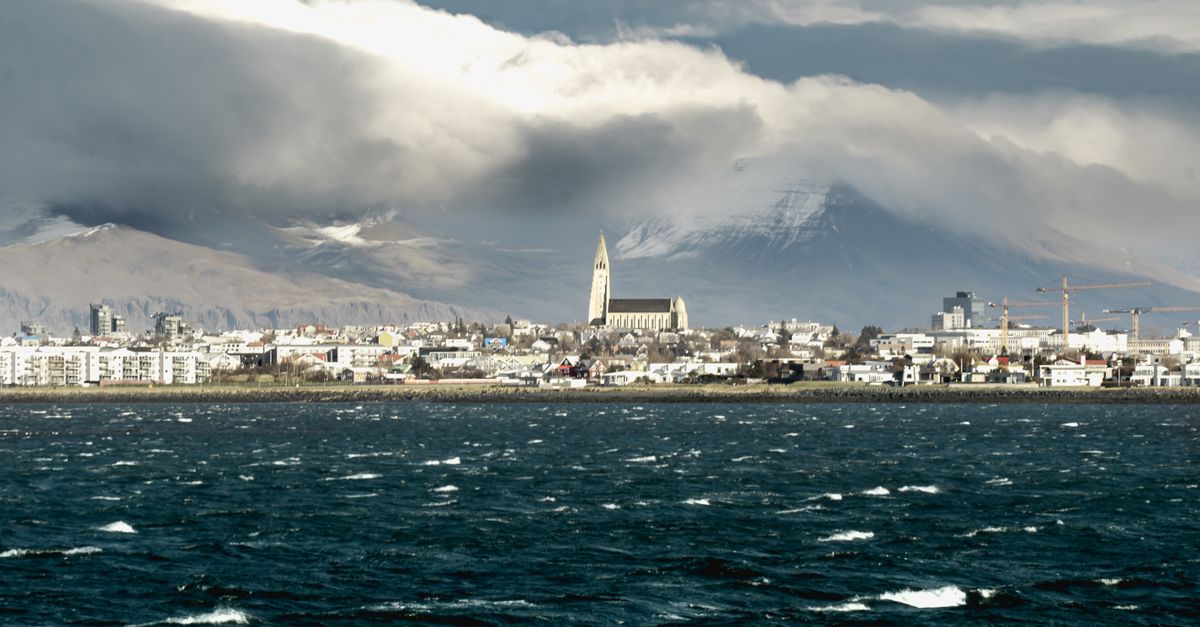
The biggest difference is that the surrounding country is part of the product in a much bigger way than it is for most tournaments. Reykjavik itself is enjoyable, but the holiday fantasy is not just café life and city walks. It is Hallgrímskirkja, Harpa, whale-watching, geothermal pools, and then the knowledge that one free day can take you to Gullfoss, Þingvellir, Geysir, or the south coast.
That gives the trip a much larger feeling than the city alone would suggest. Reykjavik is the urban base, but Iceland is the reason the whole holiday feels extraordinary.
What to do between rounds in Reykjavik
Within the city, Hallgrímskirkja is the obvious place to begin, both because the church is visually iconic and because the view from the top helps orient everything else. Harpa Concert Hall and the waterfront give you a more modern, glass-and-sea version of the city, while the Old Harbour is ideal for cafés, shorter walks, and whale-watching departures in season.
Laugavegur gives Reykjavik some useful everyday rhythm, with shops, coffee stops, bars, and the famous Icelandic hot dogs that are still one of the best cheap meals in town. A city like this works well on a chess trip because short gaps can still be used well. You do not need a huge amount of time to enjoy it.
A strong half-day is Hallgrímskirkja, a waterfront walk to Harpa, then Old Harbour and coffee before your round. If you want recovery rather than walking, a geothermal pool or spa session is one of the smartest uses of Reykjavik downtime.
Best rest day itinerary
The classic Reykjavik rest day is the Golden Circle: Þingvellir National Park, Geysir geothermal area, and Gullfoss waterfall. It is famous because it works. In one day you get tectonic landscape, geothermal spectacle, and one of Iceland's great waterfalls without impossible logistics.
If you are staying longer, the south coast, Blue Lagoon, Sky Lagoon, or Reykjanes Peninsula are strong alternatives. What matters is that Reykjavik gives you rest days that feel truly worth having. Very few chess destinations can match that.
Where to stay in Reykjavik
Central Reykjavik, especially the 101 area, is the right answer for most travellers. Everything is walkable enough that short free windows become useful, and that is exactly what you want during a tournament. Hotels are expensive, so if you are trying to control costs, the trick is not necessarily to go far out but to book early and use self-catering where possible.
If you can stay central, the city becomes much easier to enjoy at tournament pace.
Food, atmosphere, and local character
Reykjavik is expensive, but it has a strong atmosphere. You get a city of low-rise streets, bars, coffee shops, sea air, and a certain northern clarity that makes simple things feel memorable. The food scene ranges from hot dogs and bakeries to more serious seafood and Nordic dining, and the city has enough nightlife that the post-round social side of the event can feel lively without becoming overwhelming.
That combination, compact city plus dramatic country, is what gives Reykjavik its unusual strength. The off-board hours can be as relaxed or as adventurous as you want them to be.
Who is Reykjavik best for?
Reykjavik is best for players who want a genuinely bucket-list travel experience and are happy to pay for it. It suits people fascinated by volcanic landscapes, Northern Lights, geothermal culture, and a tournament trip that feels much bigger than the city hosting it.
Bringing a partner? Absolutely. Iceland is one of the easiest destinations on this list for a non-chess traveller, because the sightseeing value is so obvious and so high.
The caveat is price and climate. If you want warmth or you need a budget trip, Reykjavik is not the answer. But if you want one of the most memorable chess-holiday backdrops in Europe, it is hard to beat.
Tournament week at a glance
- Event: Reykjavik Open
- Dates: 17–23 March 2027
- Venue: Harpa Concert Hall, Reykjavik
- Who can enter: Open to all, 9-round Swiss.
- Entry fees: For 2027 the entry fees range from €50 for IMs to €400 for unrated players, and GMs play free. The full table is below.
- Getting there: Keflavík International is about 50 km away; the Flybus runs to the BSÍ terminal in Reykjavik. Harpa is a 5-minute walk from downtown.
Rest-day ideas
- Golden Circle tour (Thingvellir, Gullfoss, Geysir/Strokkur): Organisers offer discounted Reykjavik Excursions tours incl. Golden Circle; Strokkur erupts every 5-10 minutes.
- Hallgrimskirkja tower: 74.5 m church on Skolavordholt with a lift to a viewing platform over Reykjavik.
- Reykjavik Excursions South Shore Adventure or Snaefellsnes tours: Both listed as discounted options for players on the official tours page (2026 promo code CHESS26).
Details checked October 2026 against organiser and official sources. Dates, fees and entry rules change each year, so confirm everything on the official event page before you book.
How to enter and what to expect
- Format: 9-round Swiss open with no sections, and fees that vary by rating. The 2027 round times and regulations are not yet published. In 2026 the time control was 90 minutes for 40 moves plus 15 minutes, with 30 seconds per move from move 1, and each player could take three half-point byes in rounds 1–7.
- Registration: Online form plus payment, and registration is valid only when both are done. The field is capped at about 400 players. No deadline is stated.
- Fees (2027): By FIDE rating on payment day: IM/WIM €50, FM and 2300+ €140, 2150–2299 €175, 2000–2149 €210, 1800–1999 €260, 1600–1799 €300, 1400–1599 €350 and unrated €400. GMs and WGMs play free. Juniors born in 2011 or later pay 50%, juniors born 2007–2010 and seniors born in 1962 or earlier get 25% off, and a 75% refund applies if you withdraw 10 or more days before.
- Side events: An opening party, the Harpa Blitz, a pub quiz and a Golden Circle tour.
- Getting there: The organisers arrange discounted Reykjavik Excursions tours, including the Flybus, through a promo code. The code listed was for 2026, so check for the 2027 one.
- Where to stay: No 2027 hotel deal has been published.
Checked against the organisers' own pages on 3 October 2026. Figures are labelled with the year they apply to. Confirm everything on the official page before you book.
Official tournament verification
Before you book, verify the current official event details because dates and entry windows can change.
- Chess-results.com event search for active entries and dates.
- FIDE event listings for federation-level confirmation.
- Reykjavik Open official site for primary event pages and announcements.
If you want the smoother, cheaper, more obviously urban Scandinavian option, Oslo is easier. If you want the more dramatic, once-in-a-lifetime-feeling chess holiday, Reykjavik is the stronger destination.
Browse All Destinations