
Bottom line: Zurich is ideal if you value precision and calm. It delivers good movement discipline during a tournament week and easy off-board structure without dramatic noise.
Why Zurich works so well as a chess holiday

Zurich should not feel too polished to enjoy
Part of Zurich's strength is that the city can feel precise without feeling sterile. Street rhythm, cafés, and easy waterfront walking help the trip breathe between rounds.
Adults crossing the street in front of Brasserie Lipp in Zurich, Switzerland.
Zurich works for a specific kind of chess traveller, the one who values reliability almost as much as scenery. Once a real Swiss event week gives the trip structure, the city becomes a very high-functioning base: transport is dependable, daily movement is legible, and the overall tone is calm enough that the logistics mostly disappear into the background.
That is the real edge here. Zurich is not trying to wow you every ten minutes. It is trying to keep the week stable, efficient, and surprisingly restorative for a city with this much polish and cost. For some players, that is exactly the right trade.
What makes Zurich different from other city chess holidays

The waterfront gives it breathing room
Zurich works best when the article shows why the lake and river edges matter. They make the city feel more open, more walkable, and easier to recover in after a long round.
Scenic view of Zürich's historic buildings and clock tower by Lake Zürich under a cloudy sky.
Most destinations in this project win on personality first. Zurich wins on discipline. Route clarity, lakefront calm, and compact planning make it easier to protect focus, especially if you are balancing play, analysis, and a partner schedule.
It is particularly useful for players who know they tend to get overloaded by too many spontaneous activities and then pay for it in late-round quality.
What to do between rounds in Zurich
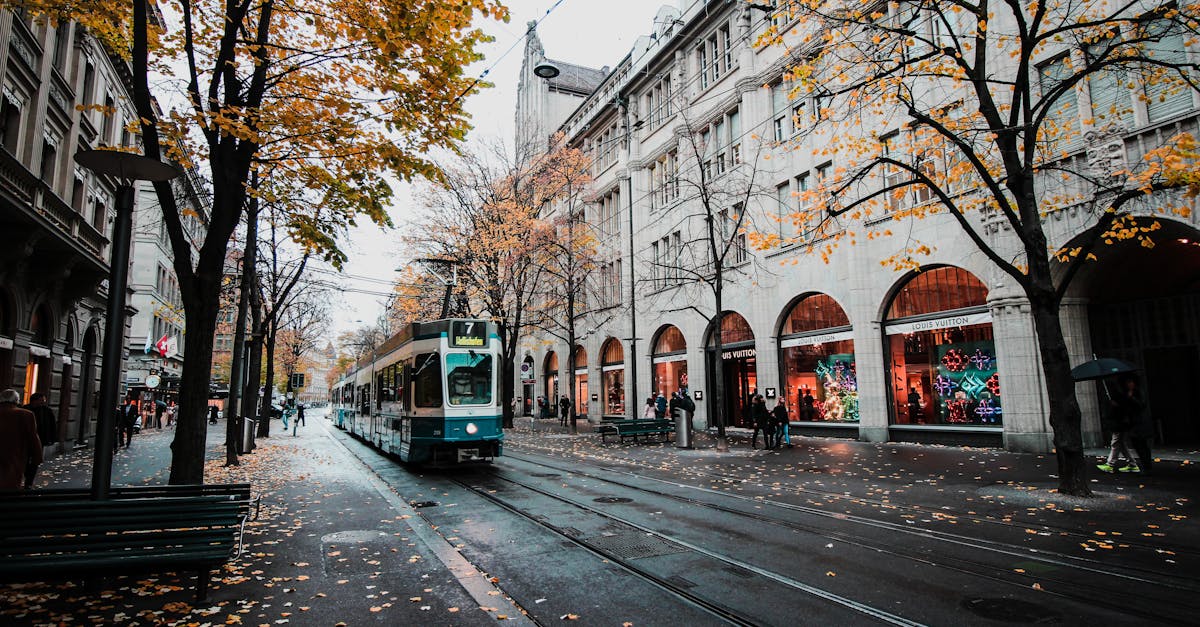
Transit and rhythm are part of the appeal
The trip becomes more convincing when Zurich reads as a usable city, not just a beautiful one. The trams, street rhythm, and easy urban flow are part of what makes it strong.
A tram travels down a leaf-strewn street in autumnal Zürich, Switzerland's urban landscape.
Use one structured anchor: a short lake-side walk, one café reset, and one compact quarter. Keep your movement loops simple and repetitive, because predictability is the secret to maintaining chess freshness on this kind of trip.
If energy is high, add one museum or gallery stop in the late afternoon. If energy is not, stay near transport lines and protect your evening wind-down.
Best rest day itinerary
A strong rest day here is a water-edge day first, then a short district walk in a slower part of town. Zurich works when you avoid novelty overload and invest in restorative pacing. Fewer points, more quality points.
Where to stay in Zurich
Prioritise centrality and easy movement. Choose a base with short walking access to transit and your likely evening restaurants, then let your weekend flexibility happen around transport windows and your actual energy profile.
It's a more technical city approach, but that can be exactly the advantage.
Food, atmosphere, and local character
Zurich has a compact but premium food and social texture. The city supports quieter evenings and controlled activity windows, which can be easier on long-morning and long-evening cognitive cycles than most destinations.
If you are managing stamina and recovery, that matters more than trendiness.
Who is Zurich best for?
Best for players who want a predictable city chess trip with minimal logistics friction. This is especially useful if your schedule is rigid and your energy is already stretched.
If you want more immediate destination drama, compare Zurich with Prague or Vienna. If you want high control, Zurich is usually the cleaner pick.
Tournament week at a glance
- Event: Zürcher Weihnachtsopen (50th edition)
- Dates: 26–30 December 2026
- Venue: Crowne Plaza, Badenerstrasse 420, Zurich
- Who can enter: Master section (2000+), General section (up to 2050), a Hobby section (max 1800) and a blitz.
- Entry fees: Entry is CHF 180 for the Master section and CHF 160 for the General section. The Hobby event costs CHF 40.
- Getting there: The airport train to Zurich HB takes about 10 minutes.
Rest-day ideas
- Kunsthaus Zurich: Switzerland's largest art museum by area, with Monet, Van Gogh, Giacometti and Hodler; collection admission is free on Wednesdays.
- Uetliberg: 870 m local peak with panoramic views of Zurich, the lake and the Alps; S10 train from HB takes about 20 minutes, and the summit tower costs CHF 2.
- Swiss National Museum: National history museum right next to Zurich Hauptbahnhof and Platzspitz park.
Details checked October 2026 against organiser and official sources. Dates, fees and entry rules change each year, so confirm everything on the official event page before you book.
How to enter and what to expect
- Format: 7-round Swiss, 90 minutes for 40 moves plus 30 minutes for the rest, and 30 seconds per move from the start.
- Schedule: Check in at the info desk by 13:15 on 26 December. Round 1 is Saturday 26 December at 14:30, round 2 Sunday at 09:30, round 3 Sunday at 16:00, round 4 Monday at 13:00, round 5 Tuesday at 09:30, round 6 Tuesday at 16:00 and round 7 Wednesday 30 December at 09:30. The banquet and prize-giving are on Wednesday at 19:00.
- Sections: The Master tournament is from 2000 Elo and the General tournament is up to 2050 CH-Elo. Swiss, DWZ and FIDE ratings count in both.
- Registration: By the online form on the website, or by e-mail to the organiser, Thomas Brand. No registration deadline is stated.
- Fees (2026): Master CHF 180 including the banquet (GMs and IMs free, juniors CHF 90 entry only). General CHF 160 including the banquet (juniors CHF 80 entry only). The prize fund is over CHF 18,500.
- Side events: A Hobby tournament on Monday 28 December at 12:00, with 7 rapid rounds at 15+5 for players rated up to 1800 (CHF 40). A blitz on Monday 28 December at 20:00 with 9 rounds (CHF 20, juniors CHF 10).
Checked against the organisers' own pages on 3 October 2026. Figures are labelled with the year they apply to. Confirm everything on the official page before you book.
Official tournament verification
Before you book, verify the current official event details because dates and entry windows can change.
- Switzerland federation listings on Chess-results
- Chess-results.com for the live Zurich and Switzerland event pages relevant to your week.
- FIDE official calendar and federation notices for confirmation and updates.
If you need more atmosphere and less process load, compare Zurich with Barcelona or Lisbon for a more lifestyle-led option.
More European guides