

About the tournament
Biel Chess Festival: Biel is one of the purest tournament-led destinations on the whole site. The Biel Chess Festival is the reason to care about the town at all from a holiday-planning perspective, and that clarity is a strength. You are choosing a real chess institution first, then deciding whether Swiss lake scenery and small-city order are the off-board atmosphere you want around it.
Bottom line: Biel is one of the best slow-travel chess holidays in Europe. It is not flashy, and that is part of the point. You come here for lake views, vineyard villages, effortless Swiss logistics, and a week that feels calm, scenic, and quietly high quality.
Why Biel works so well as a chess holiday
Biel is a destination for players who care about quality of life. It is not trying to overwhelm you with giant landmarks or nonstop activity. Instead, it offers the kind of environment that works beautifully around tournament life: clean streets, calm routines, easy transport, water, mountain backdrops, and enough nearby variety that a full week feels satisfying rather than repetitive.
That can make it a stronger chess-holiday choice than more famous places. When you are playing long rounds, you do not always want a destination that demands energy. Often you want one that restores it. Biel is excellent at that.
The tournament gives the structure. The town, lake, and surrounding wine-country scenery provide the sense that you are somewhere genuinely pleasant to inhabit rather than merely somewhere functional to compete.
What makes Biel different from other chess destinations
Its biggest strength is ease. The whole place feels manageable, and in Switzerland that usually means well-organised, well-connected, and low-stress. The appeal is less about one iconic sight and more about how smooth the whole experience can feel: a lakefront walk after a round, a quick train to Bern, a boat ride to a vineyard village, or an evening by the harbour without any sense of rush.
That makes Biel especially attractive for players who prefer scenic, slower destinations to bigger cities. It has a quiet confidence rather than obvious spectacle.
What to do between rounds in Biel
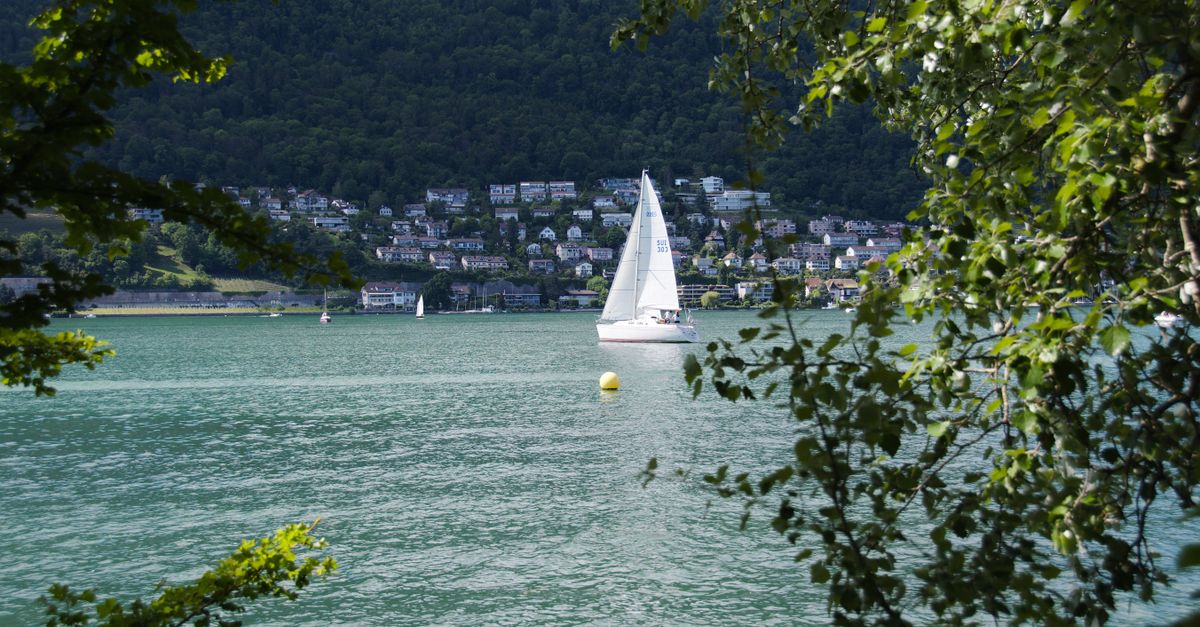
Lake Biel is the centre of the whole holiday. Even a short walk by the harbour can reset your head after a hard game. If you have a little more time, the lake immediately gives you a larger world to play with, from boat trips to small villages and shoreline views that make the destination feel much richer than the town alone might suggest.
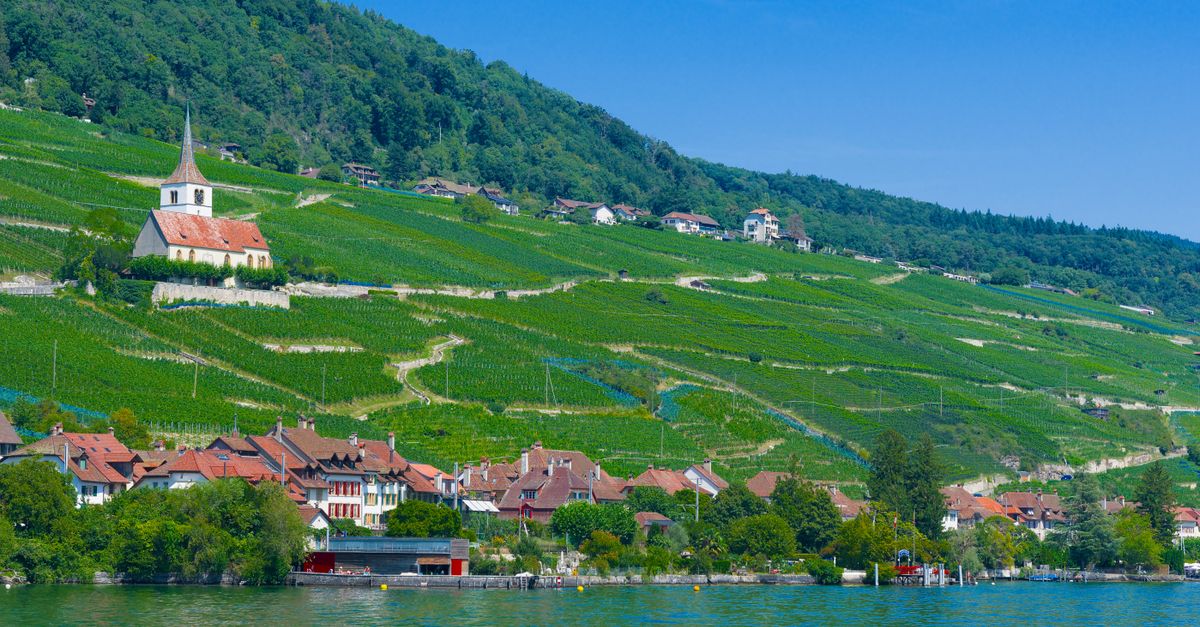
Twann and Ligerz are exactly the kind of nearby places that make Biel work so well. They add vineyards, slower village atmosphere, and a more distinct sense of region. Biel/Bienne itself also benefits from its bilingual identity, which gives the town a little more texture than a standard small Swiss base.
A very good half-day plan is the lakefront followed by a visit to one of the wine villages for a slower lunch or early evening glass of local wine.
Best rest day itinerary
The cleanest rest day is a Bern day. It is close, handsome, and easy, with arcades, river views, and the sort of old-city atmosphere that complements Biel nicely. If you are staying longer, you can push outward toward Interlaken or Lucerne, but Bern is the most sensible and best-balanced one-day addition.
The reason this works so well is that Biel does not need a giant blockbuster rest day. It needs a companion excursion that fits its own calm, polished mood, and Bern does exactly that.
Where to stay in Biel
Near the lake or the station is ideal. You want the event, trains, and waterfront all to feel easy. Biel is a destination where smooth logistics are part of the luxury, so it is not worth compromising too much on location just to save a little money.
If you can make evening walks by the lake part of the trip without effort, the whole week improves.
Food, atmosphere, and local character
The atmosphere is understated in a very Swiss way. Think bakery stops, waterside evenings, local wine from the lake region, and a general feeling that things are well run and pleasantly calm. Biel is not trying to dazzle you with spectacle. It wins by being scenic, composed, and easy to live in for a week.
That may actually make it more valuable as a chess holiday than a louder destination. The off-board hours feel restorative rather than frantic.
Who is Biel best for?
Biel is best for players who like scenic slow travel, clean design, and calm destinations over nightlife and big-city buzz. It is one of the strongest choices on the list if your idea of a good holiday is smooth, scenic, and quietly restorative.
Bringing a partner? Yes, particularly if they enjoy lake scenery, rail day trips, wine-country wandering, and destinations where it is easy to fill a day without rushing.
The main caveat is that Biel is not an adrenaline destination. If you need major nightlife, a giant culture menu, or constant stimulation, bigger cities will suit you better. But if you want the Swiss version of a serene, high-quality chess trip, Biel is hard to beat.
Tournament week at a glance
- Event: Biel International Chess Festival
- Dates: 10–23 July 2027 (60th festival)
- Venue: Biel/Bienne, Switzerland
- Who can enter: In 2026 the Amateurs Open took players rated 2000 or below, or unrated. The 2027 rule has not been published.
- Entry fees: The 2026 Amateurs Open fee was CHF 180.
- Getting there: Biel connects by train to all four nearby airports.
- Accommodation: In 2026 the Mercure Plaza offered festival rates of CHF 108 for a single and CHF 156 for a double. The festival advises booking early.
Rest-day ideas
- Biel-Magglingen funicular: 6-8 minute ride up to Magglingen in the Jura, operating since 1887, with views over Biel and the lake.
- Taubenloch Gorge: Hiking gorge with industrial history, near Biel.
- St Peter's Island on Lake Biel: Protected nature area and former island; reachable by boat from Biel.
Details checked October 2026 against organiser and official sources. Dates, fees and entry rules change each year, so confirm everything on the official event page before you book.
How to enter and what to expect
- 2027 status: The 60th festival dates (10–23 July 2027) are confirmed, but the 2027 schedule, fees and rules are not yet published. Everything below is the 2026 edition and is shown as a guide only.
- Format (2026): The Amateurs Open was 9 rounds, with 90 minutes for 40 moves plus 30 minutes and 30 seconds per move from move 1.
- Schedule (2026): Rounds 1–5 were on 14–18 July at 14:00, with a rest day on 19 July, and rounds 6–9 on 20–23 July at 14:00.
- Byes (2026): One half-point bye, up to and including round 5.
- Eligibility (2026): Unrated players, or FIDE standard not above 2000 in the May, June and July lists.
- Fees and registration (2026): CHF 180 (CHF 100 for players born 2010 or later), paid by bank transfer by 8 July, with a final deadline of 14 July at 12:15. Paying cash on site cost an extra CHF 20.
- Other events (2026): A Masters Open (10 rounds, 1900+, CHF 250), Fast Standard events for 1700+ and 1699 and below (CHF 100 and CHF 80), a one-day rapid and blitz (CHF 50 each) and Chess960 (CHF 140).
- Where to stay: The festival offers a limited number of 4-star rooms at special rates through its e-mail address, though no rates are published. Tourism Biel/Bienne–Seeland lists other options.
- Getting there: By train. Zurich, Bern-Belp, Basel and Geneva airports are each about 1.5 hours from Biel by public transport.
Checked against the organisers' own pages on 3 October 2026. Figures are labelled with the year they apply to. Confirm everything on the official page before you book.
Official tournament verification
Before you book, verify the current official event details because dates and entry windows can change.
- Biel International Chess Festival official site
- Switzerland federation listings on Chess-results
- Chess-results.com for the live Biel event pages relevant to your week.
If you want a much bigger city, London or Budapest will give you more energy. If you want the smoother, prettier, more restful Swiss version of a chess holiday, Biel is the better fit.
Browse All Destinations