

Bottom line: The Isle of Wight is one of the gentlest chess holidays on this list, a place built around sea air, cliff walks, small seaside towns, and a slightly nostalgic English holiday mood. If you want a week that feels calmer and more restorative than dramatic, it is a very appealing option.
Why the Isle of Wight works so well as a chess holiday

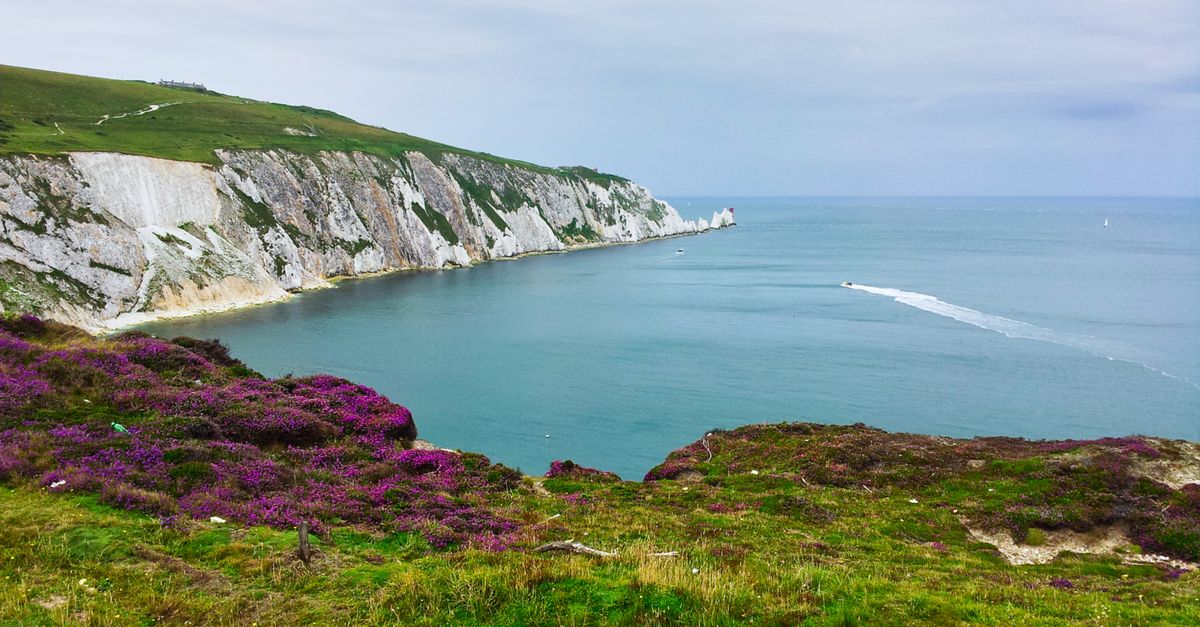
Coastal drama is part of the case
For the Isle of Wight, the article should make the reader feel the cliff walks, sea air, and longer-view calm that turn a small event trip into something much more memorable.
Breathtaking view of the iconic white chalk cliffs along the coast in southern England on a sunny day.
The Isle of Wight works because it does not try to overwhelm you. It suits players who do not need a giant city menu or an endless checklist of major attractions. Instead, it offers something more useful for a tournament week: ferries, sea views, coastal roads, old-fashioned seaside towns, and the feeling that the pace drops as soon as you arrive.
That slower mood fits chess travel very well. You are not trying to cram the week with constant sightseeing. You are using the tournament as the anchor for a holiday shaped by walks, small outings, scenic lunches, and quieter evenings. On the right kind of trip, that is a strength rather than a limitation.
The island is especially good if what you want from the destination is recovery and atmosphere rather than spectacle.
What makes the Isle of Wight different from other island chess trips

It should not be only cliffs
The guide improves when the island feels varied enough for a multi-day stay. Pier-town atmosphere and gentler shoreline scenes stop it feeling like one dramatic postcard repeated.
A traditional seaside pier stretching into calm water under a bright sky.
The obvious difference is character. This is not a Mediterranean island or a slick resort base. It is a very English sort of holiday place, full of chalk cliffs, seaside nostalgia, heritage attractions, and a softer pace. That gives it a distinct role in the project. The appeal is not glamour. It is charm, familiarity, and landscape that feels quietly restorative.
That will not be for everyone, but for the right reader it is a very clear sell. The island feels like a proper break without asking you to do too much.
What to do between rounds on the Isle of Wight

Walking-country calm is part of the appeal
A good Isle of Wight version should also suggest quieter walking, open air, and slower restorative hours, because that is the real holiday logic behind the destination.
Rolling green coastal path above the sea on a clear day in southern England.
The Needles and Alum Bay are the obvious icons, and rightly so. They give the island its most dramatic visual moment and instantly justify the coastal side of the trip. Osborne House adds the grander historical angle, while Ventnor, Shanklin, and other seaside towns provide the promenades, cafés, and slower holiday texture that make the island easy to inhabit for a week.
If you like walking, Tennyson Down is one of the best half-day activities on the island. It gives you exactly the kind of windswept English coastal atmosphere that makes the destination feel different from inland UK tournament bases.
A very good half-day is a clifftop walk followed by an easy lunch in one of the southern towns. On the Isle of Wight, the best plans are usually the ones that leave enough room for the place to feel slow.
Best rest day itinerary
A strong rest day is The Needles in the morning, a walk around Tennyson Down, then a slower late lunch or early dinner in Ventnor or another southern seaside town. If you want a more heritage-heavy version of the island, pair Osborne House with the steam railway and village stops.
That flexibility is useful. The island can lean scenic or heritage depending on taste, but either version fits the same basic mood of gentler travel.
Where to stay on the Isle of Wight
Coastal walkability matters more here than being in the exact centre of the island. If the tournament venue allows flexibility, choose a town where evening strolls, sea views, and easy food access are built in. On a destination like this, those small details shape the whole experience.
The best setup is one where you can finish a round and be by the sea soon afterwards without much effort.
Food, atmosphere, and local character
The Isle of Wight's character is nostalgic in a good way. This is not a place of flashy restaurants or high-energy nightlife. It is a place of cream teas, pubs, old hotels, coastal views, gardens, and old-fashioned British holiday textures. If that sounds appealing, it can be very appealing indeed.
That mood is part of the destination's value. The off-board hours feel softer and more restorative than they would in a louder place.
Who is the Isle of Wight best for?
The Isle of Wight is best for players who want a quieter home-islands trip with scenery, heritage, and charm. It is less ideal for anyone chasing nightlife, warm-weather beach culture, or a major city atmosphere.
Bringing a partner? Yes, especially if they enjoy walks, gardens, heritage houses, and gentler seaside travel.
The caveat is straightforward: if you want drama, edge, or glamorous weather, other destinations do that better. But if you want a calm English island week that feels restorative and characterful, the Isle of Wight is a very solid fit.
Tournament week at a glance
- Event: Isle of Wight Ocean Chess Tournament
- Dates: 10–15 November 2026
- Venue: Ocean View Hotel, 1–5 Park Road, Shanklin
- Who can enter: FIDE-rated, for ages 16 and over, with Open, U1900 and U1600 sections.
- Entry fees: 2026 fees from 1 October: £75 for the weekday event, £55 for the weekend congress and £105 for both. Add £16.50 if you lack ECF Gold membership. Entries before 1 October were cheaper.
- Getting there: The Wightlink FastCat from Portsmouth Harbour to Ryde takes about 22 minutes (foot passengers), then Island Line trains run from Ryde Pier Head. Hovertravel from Southsea to Ryde takes under 10 minutes. The organiser gives a 20% Wightlink discount code.
- Accommodation: The organiser quotes the Ocean View at £65 single or £90 double per night with breakfast.
Rest-day ideas
- Shanklin Chine: Gorge with 45 ft and 29 ft waterfalls, the island's oldest tourist attraction; open 10am-9pm until 1 Nov 2026 shoulder season per site, so check it is open for mid-November.
- Osborne House, East Cowes: Queen Victoria and Prince Albert's royal retreat with state rooms, Swiss Cottage and gardens; English Heritage, open 10am-5pm.
Shanklin Chine's published season ran to 1 November 2026, so check it is open for mid-November.
Details checked October 2026 against organiser and official sources. Dates, fees and entry rules change each year, so confirm everything on the official event page before you book.
How to enter and what to expect
- Format: FIDE- and ECF-rated, for players aged 16 and over, with 90 minutes plus 30 seconds per move. If you play both events, that is up to 12 rounds.
- Schedule: The weekday tournament has 7 rounds: Tuesday 10 to Thursday 12 November at 10:00 and 15:00, and Friday 13 November at 10:00. The weekend congress has 5 rounds: Friday 13 November at 19:00, and Saturday 14 and Sunday 15 November at 10:00 and 15:00.
- Sections: Open, Under 1900 and Under 1600 in both events, based on your rating on 1 October 2026.
- Byes: Up to two per event, excluding the final round, plus unlimited zero-point byes. The organisers recommend arriving on Monday 9 November or using a bye.
- Registration: An online form on the event page. You need ECF Gold membership or pay a £16.50 surcharge, and you book the hotel separately, quoting your entry booking number. No deadline is stated, and refunds are available until 31 October, minus about 3%.
- Fees (2026): From 1 October: £75 for the weekday event, £55 for the weekend congress and £105 for both. Before 1 October they were £65, £45 and £95.
- Getting there: The organisers recommend the train to Portsmouth Harbour, the Wightlink FastCat to Ryde (about 22 minutes), then a train (about 20 minutes) or bus to Shanklin and a 10-minute walk to the hotel. Every player gets a 20% Wightlink discount code. The playing hall is a large ballroom with sea views.
Checked against the organisers' own pages on 3 October 2026. Figures are labelled with the year they apply to. Confirm everything on the official page before you book.
Official tournament verification
Before you book, verify the current official event details because dates and entry windows can change.
- England federation listings on Chess-results
- Chess-results.com for the live Isle of Wight and England event pages relevant to your week.
- FIDE event listings for federation-level confirmation.
If you want a rougher, more dramatic island mood, the Isle of Man has more edge. If you want softer English seaside nostalgia and easier coastal pottering, the Isle of Wight is the better destination.
Browse All Destinations