

About the tournament
London Chess Classic and London event weeks: London makes the most sense as a chess holiday when you begin with the event, not the sightseeing list. The London Chess Classic is the obvious reference point, but the bigger planning idea is the same either way: confirm which real London tournament window you are actually travelling for, then build the city break around that schedule.
Bottom line: London may be the easiest city on this entire list to turn into a genuine chess holiday. The tournament gives you a reason to be there, but the city supplies more museums, neighbourhoods, walks, theatre, food, and everyday atmosphere than you could comfortably use in a single week.
Why London works so well as a chess holiday
London has one enormous advantage over almost every other destination in the project: it does not run out. That matters on a tournament trip because you never have to worry about whether the off-board hours will justify the journey. They will. The only real challenge is choosing what kind of London week you want to have.
That makes the city especially good for players visiting from abroad or for anyone who wants the chess to double as an anchor for a serious city break. Museums, theatre, markets, pubs, river walks, historic areas, modern neighbourhoods, and day-trip potential all sit within the same trip.
London also scales well. A free hour can become a short walk and a good coffee. A free afternoon can become the British Museum, Tate Modern, or Greenwich. A full rest day can become almost anything.
What makes London different from other city chess holidays
The biggest difference is choice. Budapest may be better value, and Stockholm may be prettier, but London offers the broadest menu. If you want culture, it is there. If you want food, theatre, football, markets, parks, architecture, or pub life, it is there too. Very few destinations can match that range.
That gives London a clear role in the editorial mix. This is the city for players who want the richest non-chess experience possible and who do not mind a larger, busier, more expensive place in exchange for that depth.
What to do between rounds in London
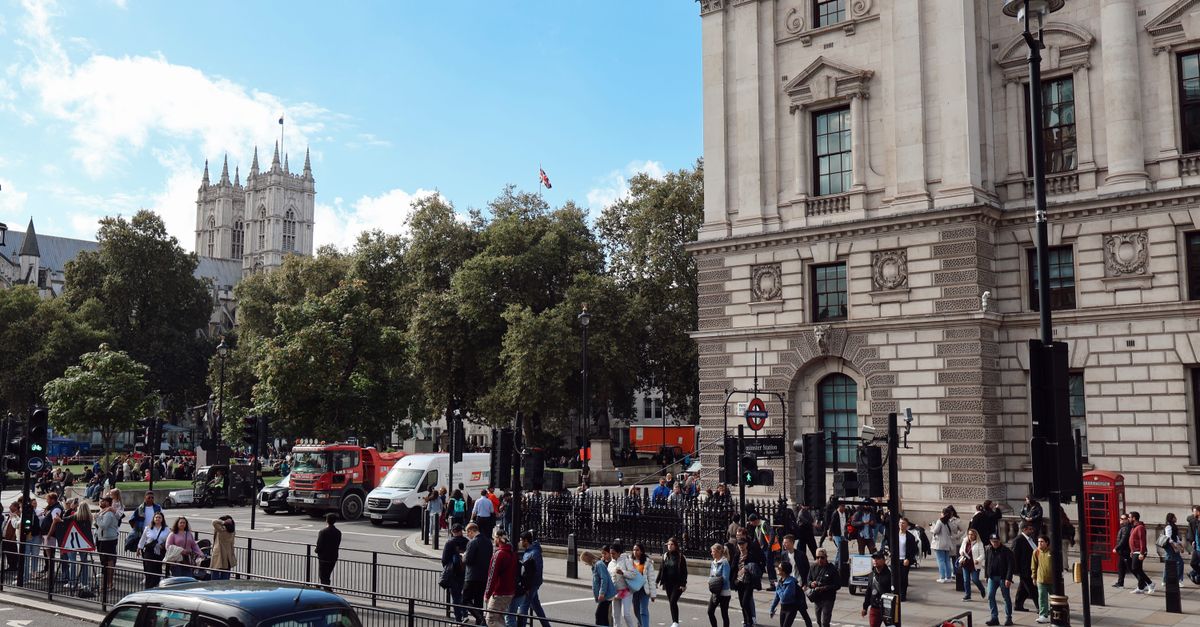
South Bank is one of the best all-purpose stretches in the city and works beautifully in short windows. It gives you the river, changing views, easy food options, and quick access to cultural landmarks without requiring much planning. The British Museum, National Gallery, and Tate Modern are the obvious heavyweight museum picks and all justify their reputations.
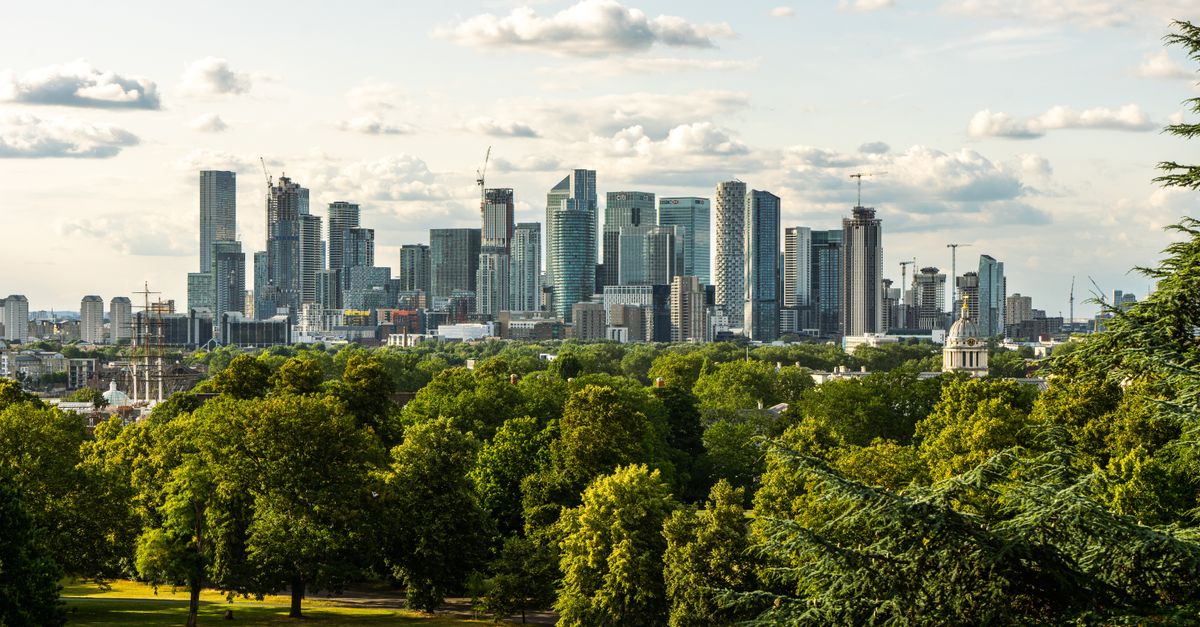
Covent Garden and Soho are useful when you want London to feel lively after a round, while Greenwich is one of the best half-day plays in the whole city because it feels specific. The maritime history, hilltop views, and Thames setting make it feel like more than just another neighbourhood. If you need air and space, Hampstead Heath or Richmond can give you a completely different version of London.
A strong half-day is South Bank plus Tate Modern, followed by dinner nearby. It gives you a proper slice of the city without overcommitting your energy.
Best rest day itinerary
A classic full rest day is museum in the morning, South Bank in the afternoon, then dinner and a West End show in the evening. That combination works because it captures London at three different speeds: cultural, walkable, and theatrical. If you want something calmer, do Greenwich instead and finish with a Thames-side dinner.
The real point, though, is that London can support many versions of a good rest day. That flexibility is part of why it works so well as a tournament base.
Where to stay in London
Transport connections matter more than prestige postcodes. Stay somewhere that makes venue access easy and also gives you one decent neighbourhood atmosphere on your doorstep. London is large enough that a bad location choice costs real energy, especially when you are already structuring the week around chess rounds.
In practice, being well connected is worth more than staying somewhere fashionable but inconvenient.
Food, atmosphere, and local character
London's food advantage is variety. Historic pubs, markets, strong neighbourhood cafés, classic restaurant districts, and excellent international food all exist within the same city. The same is true of atmosphere. London can feel historic, chaotic, polished, literary, theatrical, or local depending on where you are standing.
That variety is the real point. If the tournament is already giving the trip structure, London becomes easier to enjoy because you can simply choose the moods that suit your energy each day.
Who is London best for?
London is best for players who want maximum choice and who enjoy cities with real depth. It is less ideal if what you want is a low-cost trip, a compact walkable town, or a calm beach week.
Bringing a partner? Yes, obviously. London is one of the easiest destinations on the list for a non-chess traveller because the city can absorb an entire week of solo exploring without any effort at all.
The only real caveat is cost and scale. London can be expensive and tiring if you plan badly. But if you stay somewhere sensible and let the city work at your pace, it becomes one of the strongest all-round chess-holiday destinations in the project.
Tournament week at a glance
- Event: London Chess Classic
- Dates: 24 November–7 December 2026 per the official site (ChessBase gives 6 December as the last day)
- Venue: Novotel London West, Hammersmith
- Who can enter: Amateurs can enter the weekend tournament (sections Open, U2000, U1750, U1500, U1250) and the weekday tournament (Open, U1800, U1400). The LCC Swiss is for FIDE 2000+.
- Entry fees: 2026 fees: £50 for each of the weekend and weekday tournaments, £100 for the LCC Swiss and £20 for the blitz. Fees rise 50% after 20 November, and players need ECF Gold membership or pay a £20 surcharge.
Rest-day ideas
- Tower of London: UNESCO-listed Norman citadel founded 1066 that houses the Crown Jewels; also the LCC opening ceremony venue.
- Tate Modern: National collection of modern and contemporary art in the former Bankside Power Station, free for the permanent displays.
- Royal Botanic Gardens, Kew: UNESCO-listed botanic garden founded 1759, reachable on the District line to Kew Gardens station.
Details checked October 2026 against organiser and official sources. Dates, fees and entry rules change each year, so confirm everything on the official event page before you book.
How to enter and what to expect
- Format: Both amateur tournaments are 5 rounds, with 90 minutes plus 30 seconds per move from move 1.
- Schedule: Weekend: round 1 on Friday 27 November at 4 pm, rounds 2 and 3 on Saturday at 10 am and 4 pm, and rounds 4 and 5 on Sunday 29 November at 10 am and 4 pm. Weekday: Monday 30 November to Friday 4 December, with every round at 4 pm.
- Byes: One half-point bye in the weekend and weekday events, but not in the final round.
- Sections: Weekend, by ECF standard rating published on 1 November 2026: Open, U2000, U1750, U1500 and U1250. Weekday: Open, U1800 and U1400.
- Registration: Online through the festival pages. Entry opened on 2 September 2026. There is no hard deadline, but fees rise by 50% on Friday 20 November.
- Fees (2026): £50 per tournament (£25 for female players and under-25s who are British residents), plus a £20 pay-to-play surcharge unless you are an ECF Gold member. The blitz is £20 and the Super Rapid is £50.
- Side events: The 9-round LCC Swiss for players rated 2000+, evening blitz on 27–29 November, a team blitz, a Super Rapid on 5 and 6 December (15+10) and a Pro-Biz event.
- Where to stay: The Novotel London West offers discounted rooms for players, booked through the official link before 26 October 2026. The rate is not published on the page.
- Getting there: The hotel, at 1 Shortlands, W6 8DR, is a 3-minute walk from Hammersmith Underground. The event page says only that it has direct links to Heathrow, without naming a route.
Checked against the organisers' own pages on 3 October 2026. Figures are labelled with the year they apply to. Confirm everything on the official page before you book.
Official tournament verification
Before you book, verify the current official event details because dates and entry windows can change.
- England federation listings on Chess-results
- Chess-results.com for the live London and England event pages relevant to your week.
- FIDE event listings for federation-level confirmation.
If you want a grand city with better value and a tighter footprint, Budapest has clear advantages. If you want the broadest, richest non-chess menu of any destination on this list, London is the winner.
Browse All Destinations